Aftermarket Services
Aftermarket services focus on improving and maintaining existing systems to ensure consistent performance over time. Instead of rebuilding from scratch, organisations can upgrade, adapt, and optimise their current systems for greater efficiency and longevity.
Our Areas of Expertise
Code Re-engineering
Analyse existing applications, learning content, and digital assets to rebuild and optimise them for better performance and usability.
Even when source files are missing or outdated, systems can be reconstructed to regain control over code and extend their lifecycle.
The focus is on making existing assets more stable, reusable, and aligned with Modern technology standards.
Legacy Conversion
Outdated formats and systems are converted into modern, compatible versions that work across today’s platforms.
This includes modernising legacy technologies, adapting content for responsive environments, and ensuring compliance with current standards.
The goal is to make legacy assets usable again without losing their original value.
Maintenance Support
Ongoing support ensures that systems and content remain functional, updated, and aligned with changing requirements.
This includes regular updates, fixes, and enhancements to bothcontent and underlying technologies.
It helps organisations avoid disruptions and maintain consistency over time.
Application Management Support (AMS)
A structured approach to managing and improving existing digital assets and systems.
This includes monitoring performance, managing updates, improving system stability, and ensuring long-term usability.
It enables organisations to retain control over their assets while reducing operational complexity.

Keeping systems Relevant Over Time
Technology evolves rapidly, yet many organisations continue torely on legacy systems.
Without regular updates and support, systems can become difficult to manage, less efficient, and incompatible with new requirements.
Aftermarket services help extend the usability of these systems while aligning them with current needs.
Simplify system maintenance and upgrades.
Reduce complexity and keep your systems running smoothly with structured support and modernisation.
Why ongoing support matters.
As systems evolve, maintaining performance and compatibility becomes critical.
Without structured support, even well-built systems can become difficult to manage over time.
Aftermarket services ensure that systems remain reliable, updated, and aligned with current operational needs.
- Avoid system downtime
- Maintain performance consistency
- Adapt to changing
- Protect existing investments

Case Studies & Insights
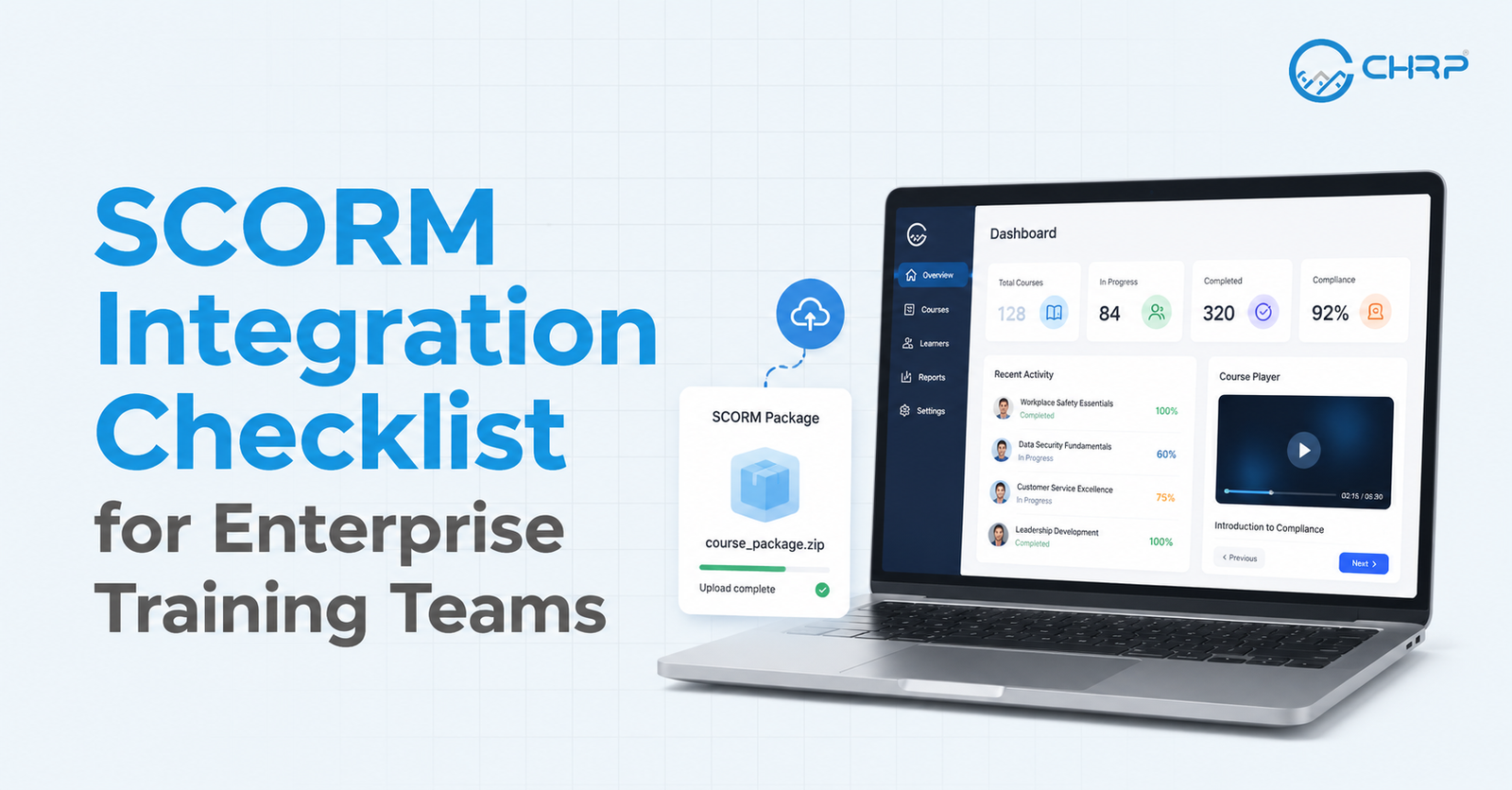

Enterprise learning environments rarely consist of a single platform. Large organisations may have an LMS, externally developed eLearning, internal learning portals, compliance systems, reporting tools and content created by several
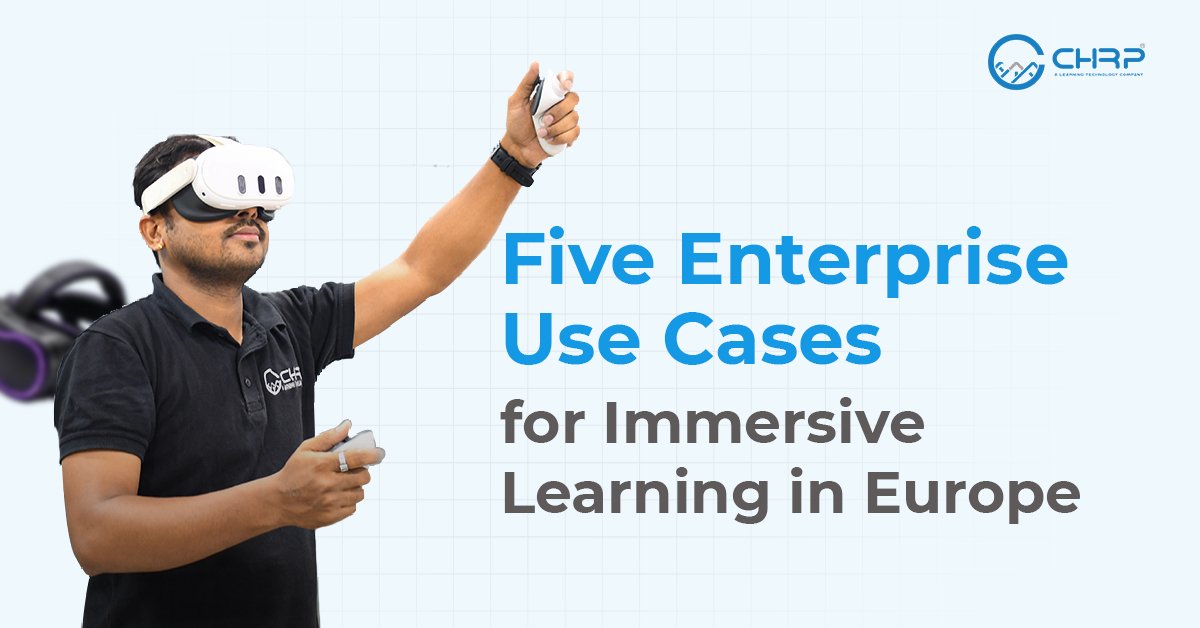
European enterprises are under increasing pressure to develop workforce capabilities while managing operational risk, skills shortages, digital transformation and changing regulatory expectations. Traditional training methods remain valuable, but they do
Selecting the right eLearning partner is an important decision for any organisation investing in workforce development. A well-designed digital learning programme can improve employee capability, support compliance, standardise training across
European organisations are no longer operating through a single workplace, a single training room, or a single standard employee profile. Many enterprises now manage teams across multiple countries, business units,
Across Europe, organisations are entering a new era of workforce development. Rapid technological advancement, digital transformation, changing workforce demographics, and evolving business models are redefining the skills employees need to