Aftermarket Services
Aftermarket services focus on improving and maintaining existing systems to ensure consistent performance over time. Instead of rebuilding from scratch, organisations can upgrade, adapt, and optimise their current systems for greater efficiency and longevity.
Areas of Expertise
Code Re-engineering
We analyse existing applications, learning content, and digital assets to rebuild and optimise them for better performance and usability.
Even when source files are missing or outdated, systems can be reconstructed to regain control over code and extend their lifecycle.
The focus is on making existing assets more stable, reusable, and aligned with Modern technology standards.
Legacy Conversion
Outdated formats and systems are converted into modern, compatible versions that work across today’s platforms.
This includes modernising legacy technologies, adapting content for responsive environments, and ensuring compliance with current standards.
The goal is to make legacy assets usable again without losing their original value.
Maintenance Support
Ongoing support ensures that systems and content remain functional, updated, and aligned with changing requirements.
This includes regular updates, fixes, and enhancements to bothcontent and underlying technologies.
It helps organisations avoid disruptions and maintain consistency over time.
Application Management Support (AMS)
A structured approach to managing and improving existing digital assets and systems.
This includes monitoring performance, managing updates, improving system stability, and ensuring long-term usability.
It enables organisations to retain control over their assets while reducing operational complexity.

Keeping systems Relevant Over Time
Technology evolves rapidly, yet many organisations continue torely on legacy systems.
Without regular updates and support, systems can become difficult to manage, less efficient, and incompatible with new requirements.
Aftermarket services help extend the usability of these systems while aligning them with current needs.
Simplify system maintenance and upgrades.
Reduce complexity and keep your systems running smoothly with structured support and modernisation.
Why ongoing support matters.
As systems evolve, maintaining performance and compatibility becomes critical.
Without structured support, even well-built systems can become difficult to manage over time.
Aftermarket services ensure that systems remain reliable, updated, and aligned with current operational needs.
- Avoid system downtime
- Maintain performance consistency
- Adapt to changing requirements
- Protect existing investments

Case Studies & Insights




Across Europe, organisations are under increasing pressure to deliver learning that is not only compliant, but measurable, scalable, and aligned with business outcomes. From regulatory training to workforce upskilling, digital
Introduction Across Europe, enterprise learning has moved beyond traditional training delivery. Organisations are no longer evaluating vendors based only on content quality or course volume. Learning systems now operate as
As organisations across Europe continue to adapt to rapid technological change, evolving workforce expectations, and increasing performance pressures, corporate training is undergoing a significant transformation. The future of eLearning in
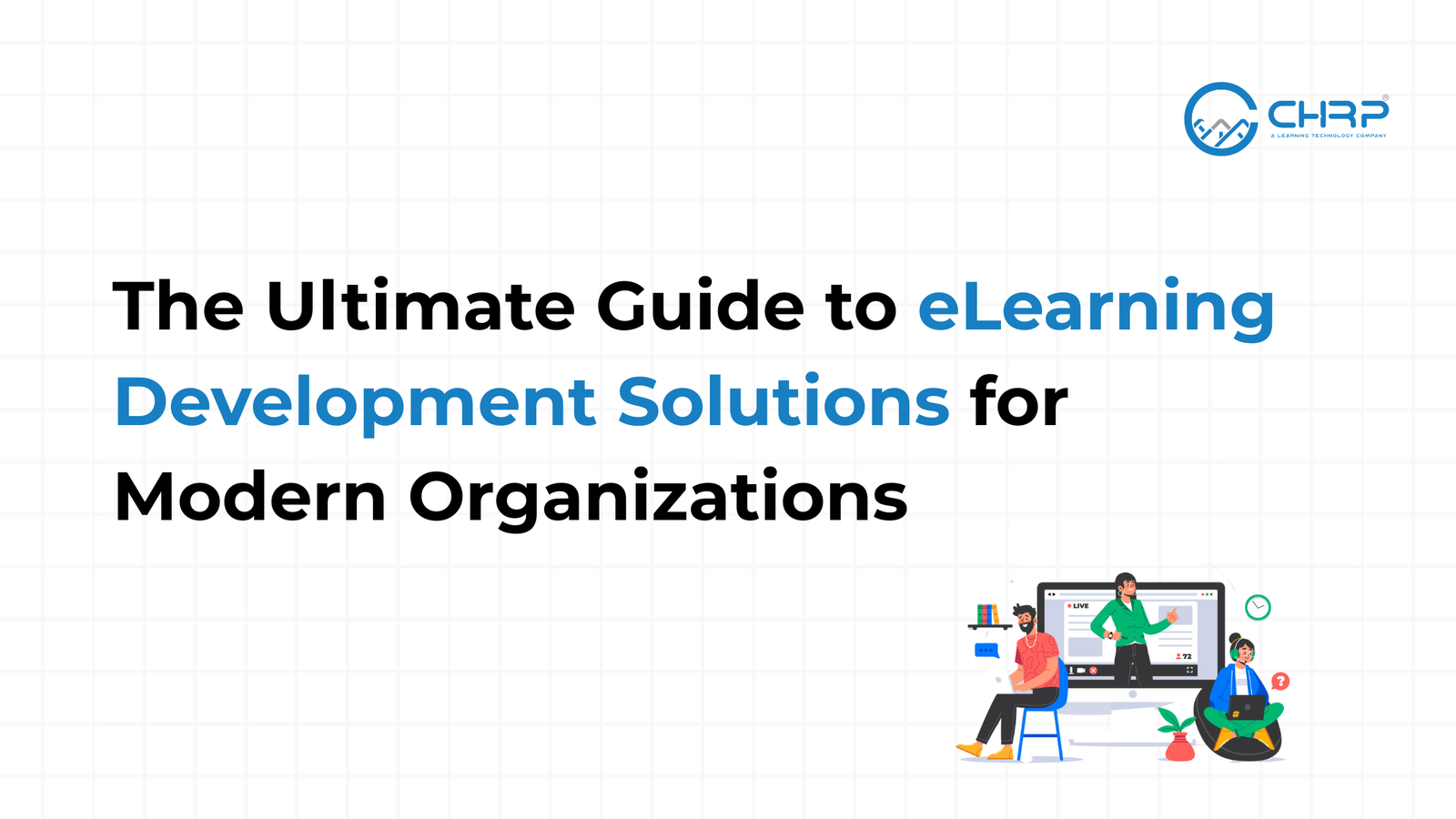
The Ultimate Guide to eLearning Development Solutions for Modern Organizations Many organizations invest significant resources in training programs. Yet a common challenge remains: employees often complete training sessions but struggle
The Learning Landscape Is Changing: What L&D Trends 2026 Mean for the Future of Corporate Training in Europe In boardrooms across Europe, a familiar concern continues to surface. Organisations are