

Introduction
Hiring the right talent is only the first step. The real challenge begins when organisations need to integrate new employees quickly, effectively, and consistently.
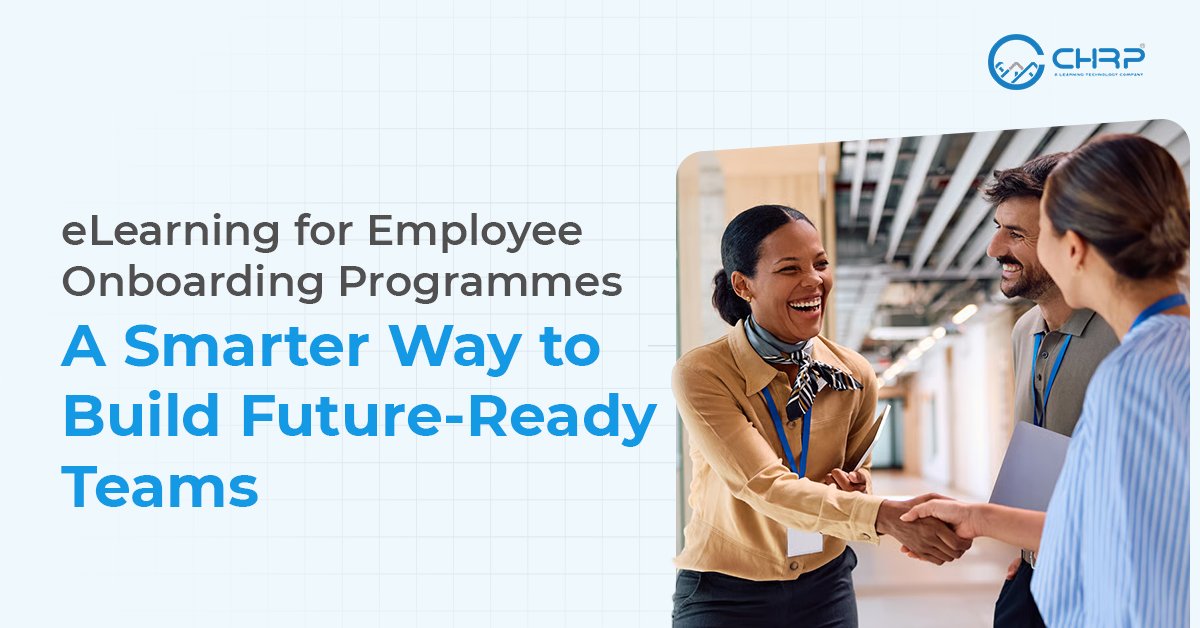
Across Europe, enterprises are moving away from traditional onboarding methods and adopting eLearning for employee onboarding programmes to create structured, engaging, and scalable experiences.
Done right, onboarding is not just about induction. It is about building confidence, clarity, and capability from day one.
How eLearning is Transforming Employee Onboarding
Modern workplaces are no longer limited to a single location. Teams are distributed, roles are specialised, and expectations are higher than ever.
This is where employee onboarding eLearning solutions play a critical role.
With digital onboarding training, organisations can:
- Deliver consistent onboarding experiences across regions
- Enable self-paced learning for employees
- Reduce dependency on classroom sessions
- Track progress and ensure compliance
- Improve engagement through interactive content
For decision makers, this means faster onboarding and better workforce alignment.
The Problem with Traditional Onboarding Approaches
Many organisations still rely on static presentations, documents, and one-time training sessions. While these methods may provide basic information, they rarely create meaningful engagement.
Common challenges include:
- Information overload in the first few days
- Low retention of critical knowledge
- Lack of role-specific training
- Inconsistent onboarding experiences across teams
These gaps often result in slower productivity and disengaged employees.
Why Custom Corporate eLearning Development Matters
Every organisation is unique. Its culture, processes, and workforce needs cannot be addressed through generic solutions.
This is why custom corporate eLearning development is essential for effective onboarding.
A tailored approach ensures that onboarding programmes are aligned with your business objectives and workforce expectations.
Key Advantages of Custom Onboarding eLearning
1. Designed for Your Organisation
Custom onboarding reflects your company’s values, workflows, and culture, making learning more relevant and impactful.
2. Role-Based Learning Experiences
Different roles require different knowledge. Custom programmes deliver targeted content based on job functions.
3. Scalable and Flexible Learning
Whether onboarding 10 employees or 1,000, digital onboarding training scales effortlessly.
4. Integrated with Enterprise Systems
Custom solutions can connect with your LMS, HR systems, and analytics platforms for seamless tracking and reporting.
Key Elements of an Effective Onboarding eLearning Programme
A successful onboarding programme is not just about content delivery. It is about creating a meaningful learning journey.
Structured Learning Pathways
Clear learning stages help employees understand what to learn and when, reducing confusion.
Interactive Learning Modules
Scenario-based learning, quizzes, and simulations improve engagement and retention.
Microlearning Approach
Short, focused modules allow employees to learn without disrupting their workflow.
Continuous Assessment
Regular evaluations ensure that employees understand and apply what they learn.
Data-Driven Insights
Analytics help organisations measure effectiveness and continuously improve onboarding programmes.
The Growing Role of Immersive Learning
For forward-thinking organisations, onboarding is evolving further with immersive technologies.
Solutions such as Virtual Reality and Augmented Reality are becoming part of custom onboarding eLearning solutions, especially for complex or high-risk environments.
These technologies help:
- Simulate real-world scenarios
- Provide hands-on learning experiences
- Improve knowledge retention
- Enhance employee confidence
Business Impact of Effective Onboarding
Investing in corporate onboarding eLearning delivers measurable results.
Organisations benefit from:
- Faster time to productivity
- Improved employee engagement
- Higher retention rates
- Reduced training costs over time
- Stronger alignment with business goals
For enterprise leaders, onboarding becomes a strategic advantage rather than an operational task.
Choosing the Right eLearning Development Partner
Selecting the right partner is critical when implementing custom onboarding eLearning solutions.
A strong partner will:
- Understand your business and workforce challenges
- Design tailored onboarding frameworks
- Develop engaging and interactive content
- Ensure seamless technology integration
- Provide ongoing support and optimisation
Why CHRP-EUROPE?
CHRP-EUROPE specialises in custom corporate eLearning development for enterprises across Europe.
Our approach is simple yet effective:
- We start with your business goals
- We design onboarding programmes that align with your workforce needs
- We build scalable and engaging learning solutions
- We continuously optimise based on performance insights
From digital onboarding training to immersive learning experiences, we help organisations create onboarding programmes that truly deliver results.
Conclusion
Employee onboarding is no longer a one-time activity. It is a critical phase that shapes employee experience, performance, and long-term success.
With the right eLearning development strategy, organisations can transform onboarding into a structured, engaging, and high-impact process.
Ready to Transform Your Onboarding Programme?
If your organisation is looking to implement custom onboarding eLearning solutions or enhance existing programmes, CHRP-EUROPE can support you in building a future-ready onboarding experience.
Let’s create onboarding programmes that drive real business impact.
Contact CHRP-EUROPE